
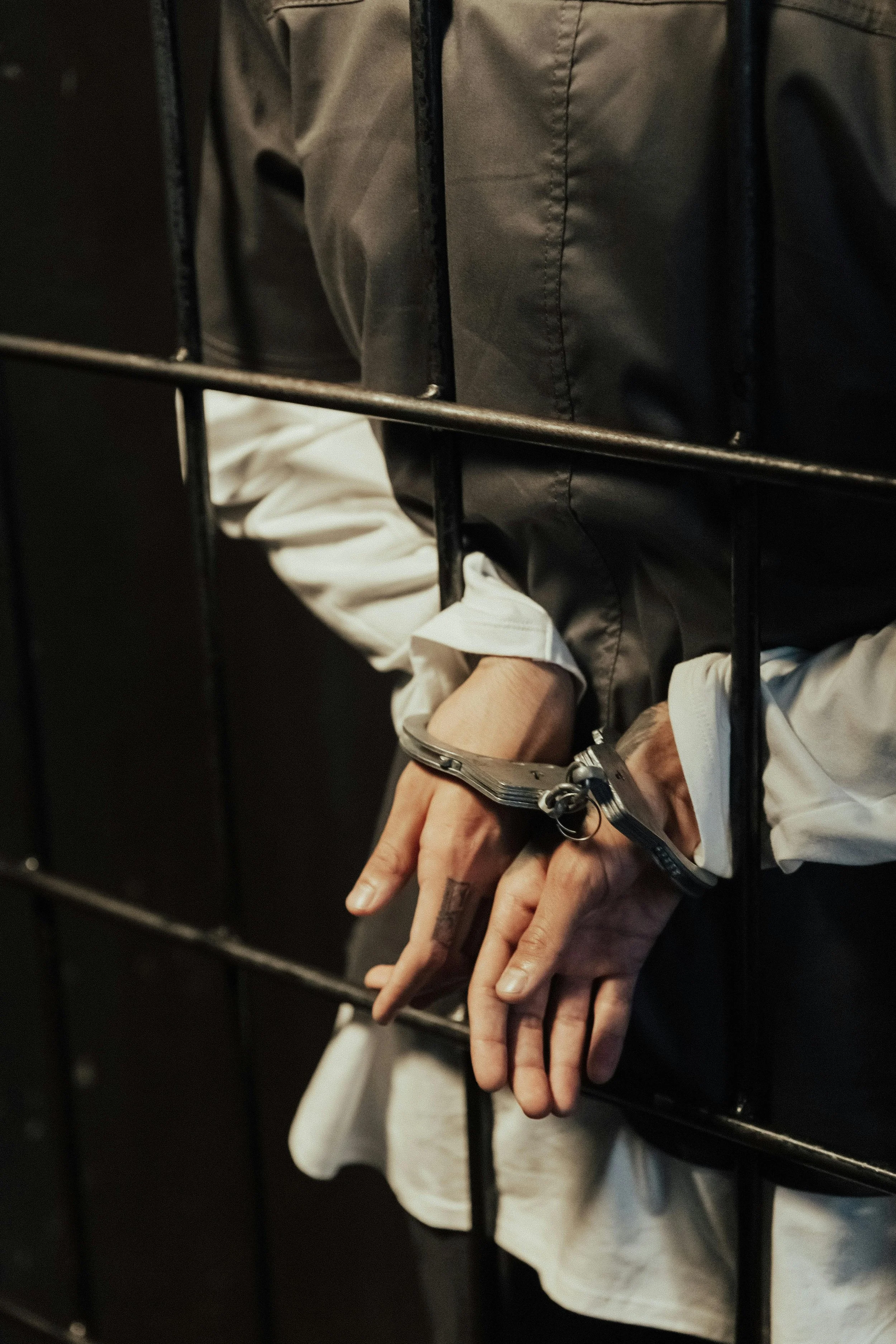
Prison Misconduct
Incarcerated people retain their right to be treated humanely. Deprivation of that right can take many forms, including the withholding of necessary medical treatment, unacceptable living conditions, and even wrongful death.
Denial of Medical Care
According to the ACLU:
“Each day, men, women, and children behind bars suffer needlessly from lack of access to adequate medical and mental health care. Chronic illnesses go untreated, emergencies are ignored, and patients with serious mental illness fail to receive necessary care. For some patients, poor medical care turns a minor sentence into a death sentence.”
The deprivation of care is an degrading and life threatening in equal measure. We recognize each act of deprivation as the crisis that it is. We believe that swift, decisive intervention is necessary to preserve inmates’ health, safety, and lives. If you have been denied medical care while incarcerated, contact us.
“An inmate must rely on prison authorities to treat his medical needs; if the authorities fail to do so, those needs will not be met.”
Estelle v. Gamble, 429 U.S. 97 (1976)
Conditions of Confinement
“It is unquestioned that confinement in a prison . . . is a form of punishment subject to scrutiny under the Eighth Amendment standards.”
Estelle v. Gamble, 429 U.S. 97 (1976)
State and federal law dictates the conditions that prisons and jails are allowed to impose upon inmates. Although overcrowding, exposure to extreme temperatures, inedible food, and poor medical care is ubiquitous in prisons and jails, the law is able to hold facilities to account for mistreatment of prisoners.
Incarcerated people have a right to demand reasonable treatment. We vigorously advocate on behalf of anyone who has experienced cruel or unusual treatment while in custody.